
Opening and introductions
 Orange
Hello everyone, welcome to the fourth episode of Next Token. Let's start by introducing ourselves. Hi everyone, I'm Orange.
 Guizang
Hi everyone, I'm Guizang.
 Xiangyang Qiaomu
Hi everyone, I'm Xiangyang Qiaomu.
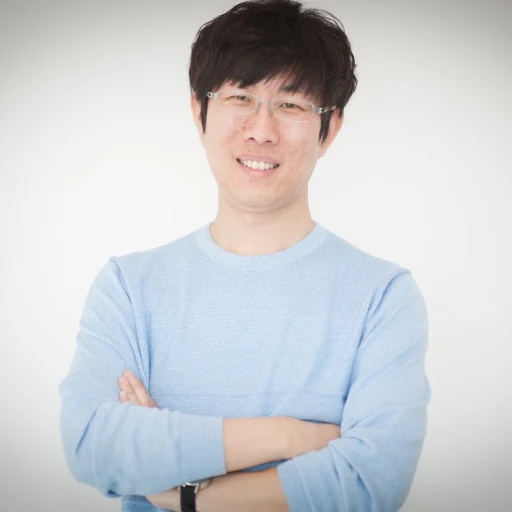 Pan YANG
Hi everyone, I'm Pan YANG.
OrangeThis week we're back at the Xiangwai Space from our first episode, and today is the Mid-Autumn Festival.
First off, before we start, let me share some of our recent numbers. Every episode of ours has now passed ten thousand views on Bilibili, and on Xiaoyuzhou every episode has passed two thousand plays. We've made the Xiaoyuzhou Rising Star chart 6 times. Thanks everyone for continuing to follow us.
For this episode — two big things happened over the past week: one was the Opus 5.5 release, the other was Muse, which set off a really hot wave in the US, so today we'll focus on those two topics. After that, we've also prepared seven or eight smaller topics, and we'll chat about whichever ones catch our interest,
Opus 5.5: code, visuals, and creativity
OrangeGuizangOpus 5.5 — mainly, people found that on the visual side of code it's ahead of GPT-6 Astra-6 Astra. Like, the three kinds of examples you've been seeing a lot lately.
The first is that promo video — the promo video it made — for a moment you wouldn't believe it was made with code, but it really is drawn in code. It layers on all these materials, giving the image a crayon-like texture, making noise that looks like paper grain. You'd assume these things were painted by a video model, or wonder how it was done.
Then the second is pixel animation. We know pixel animation is easy, but making the character's skills interact with the scene with a sense of physics — making pixel animation and the scene feel physical — is actually really hard. If you haven't studied this stuff, you have no idea where to even start.
What it made — I saw a mage, the mage casting a skill at that scarecrow in the grass, and when it came down the whole screen shook, with effects written in pixels, VFX or whatever effects — it's like a really well-made pixel game. Like those well-made older pixel games we've played a lot — for example, I just beat Terraria again a few days ago, right? Replayed Terraria — that kind of feeling. Like, there's a mod in it called Calamity, and some of its pixel weapon effects are done so seamlessly, you get that ding-ding-ding sound,
OrangeThat kind of hit feedback — combining sound, visuals, and motion, that satisfying feeling.
GuizangIncredibly good, combined perfectly,
Xiangyang QiaomuIn games, hit feedback is especially important.
GuizangAnd I hadn't shown you this one yet — someone used it to make a pixel version, a 3D pixel version, like 《Minecraft》 but with even finer pixels, a Dynasty Warriors Zhao Yun demo. That's Zhao Yun's skill from Dynasty Warriors — he flies down and slams into the ground, wiping out all the mobs around him. I was stunned. Truly absurd.
And the cost — he calculated it: using API pricing it might be about a thousand dollars, but we know if you use it within a subscription it'd be way, way cheaper, maybe a few dozen to a hundred-odd dollars.
And another one — there's another category — I also made a promo video yesterday.
OrangeThis one is also absurd, hahaha.
Pan YANGI retweeted it. I rarely retweet other people's stuff, but I found it too stunning.
GuizangI compared, because I bookmark these things every day — every day I watch the promo videos and motion design that designers put out and save them. I compared against the things in my bookmark collection, against top motion-design creators — and let's not say the very top tier, okay, fine, the very top tier. For example, I know a designer — the guy who did the motion effects for He Tongxue's iPhone review a few years ago,
OrangeThat one was great.
GuizangWe've known each other a long time. His work is absolutely top-tier, but even so, it's kind of absurd — it's like, if you do motion design at an 80-out-of-100 level, mid-upper level, that's already completely good enough. Tweak it a bit more — the default output might have small flaws.
Xiangyang QiaomuJust not as good as top-tier — 80-out-of-100 level.
GuizangRight, 80-90 out of 100 level. You can live off that, right? Take client work, take really expensive gigs, no problem at all.
OrangeIf you do this well, you could charge 100,000 yuan.
GuizangNo problem at all, if you have some taste.
Pan YANGActually, when these videos were made the old way, it felt crude, right? Its handling of motion effects, its understanding of the copy, its pacing of the whole thing were all crude — kind of like, maybe like letting AI write code back in 2023.
GuizangLike an intern who just learned AE, just learned PR, imitating someone really good. And he's not even imitating the original — you give him a different theme, and he imitates something that looks like nothing — that level of intern.
An intern who just learned the software but doesn't understand the core idea — how do I make people feel good watching this. That's a junior software operator's level. Now it's a system with its own thinking — it knows how to arrange things, how to blend all these different elements into a whole.
Xiangyang QiaomuIs it just because intelligence went up? Because it got so much smarter. So tangible — you don't feel it as much when it writes code. Today I saw Indigo retweet ego(lite), where it controls the computer and paints a portrait of Dario with a brush, and at the same time it showed the previous generation's, it—
Xiangyang QiaomuOrangeLike a six-year-old's artwork on one side, and a street-art master on the other.
Pan YANGIt's the model operating a robotic arm.
OrangePaint,
Xiangyang Qiaomu…hahaha, you ask it how to draw the picture,
Orangeand it paints it stroke by stroke until it looks just like the photo.
Xiangyang QiaomuPan YANGThen I think the first hot take is coming. Look — whether it's the hit feedback we just talked about, or the understanding of video, or the paintbrush just now — it essentially shows a very deep understanding of the world, of space, of physical things, right?
GuizangRight.
Pan YANGIf that's the case, isn't this a world model?
OrangeHere we go with world models again.
GuizangThat's exactly what I was saying. If it can do — like, remember the H3 MiniMax released? Its highlight was being amazing at this kind of motion work, right? Great fidelity — you give it a 3x3 grid of images and it turns it into a video with tons of motion. If this thing can reach H3 — it already reaches H3's level on some dimensions, right? Maybe even blows it away, because H3 doesn't have that much intelligence — it needs to pair with a large language model, right?
Xiangyang QiaomuRight.
GuizangThis is all-in-one, generated in one pass. Progress like that on video models and world models — I think even in another year video models couldn't get there.
Pan YANGActually it's like this — whether it's a video model or a world model, both are based on understanding the physical world. Understanding of space, physical rules, physical laws — the underlying thing is the same. The main question is what form the output takes. A video model's output is pixels.
Xiangyang QiaomuThere's definitely still a gap — genuinely physical things,
Pan YANGBut still—
Xiangyang QiaomuAnd language alone can't fully cover it, but—
GuizangThe way I see it, it's not just that—
Pan YANGI think it's getting closer and closer—
Xiangyang QiaomuCloser and closer,
GuizangIt's not just understanding the world. What does understanding the world mean? A teenager also understands the world — in their head they can imagine what a cup spilled on the floor looks like. But they don't have intelligence. Animals also understand the world, can reconstruct the world itself, can imagine the world's physical rules and phenomena — but they don't have intelligence. They can't create; they can't use that understanding to create new things.
Pan YANGBecause their understanding of it isn't deep enough. Like, when a kid sees glass shattered all over the floor — we can see the physics in it, right? Texture, sound — the dimensions you can perceive are so numerous,
OrangeIt's not just understanding — like a kid, he can understand, but he can't combine. Then there's an artist who's been trained for over a decade — he can paint the world for you, and a dynamic one at that,
Pan YANGGuizangNot just editors,
Xiangyang QiaomuNot just—
OrangeI think it crossed the line — this thing wiped out a bunch of Agent Skills, video skills, and video Agents,
Xiangyang QiaomuAte them all up,
GuizangWiped out,
OrangePan YANGSo look at this — like JianYing. You see JianYing released the Agent-enabled version this week, right? JianYing is on the tool route — getting more and more awesome, more and more complex, more and more features. But the other route, like Opus, is getting stronger through intelligence. Everyone is moving forward, and maybe down the road, intelligence gradually catches up to what the complex tools can do,
GuizangIt's obvious already. Before, if you said the quality of a video made purely in code by a large language model could beat a video model, you couldn't have believed it, not even at certain stages. But now — I think it's definitely possible, definitely within the second half of this year,
Xiangyang QiaomuIt's possible now.
OrangeIt's already very noticeable,
Pan YANGXiangyang QiaomuFaster.
GuizangOrangeNo Skills needed—
GuizangXiangyang QiaomuYou constrained it,
Pan YANGSpeaking of which — Guizang, that PPT Skill of yours should get a completely refreshed new version, a brand-new version — one that can do visuals, can do this—
GuizangRefreshing it just means adding motion effects, adding effects.
Pan YANGOne that can make images — right, not just plain text,
GuizangSVG and such. Will add, will add.
OrangeAnd this model can not only edit footage — it has a strong aesthetic sense.
I saw Haixin's demo — she made a Mid-Autumn Festival kitten video, giving it just the script and the music, and the model went with a sticker style, then built a complete video from scratch, with a plot, and it's fun, and the transitions and everything are great. I think if humans made it — like Haixin's team — it would take them two or three days, but this video model, this Opus 5.5, did it One Shot, without any changes.
Pan YANGThe video you just showed us — it didn't use any video generation model at all?
OrangePan YANGWow — I just watched it, the results are really good. We should put it in our links later.
OrangePut it in the Show Notes,
GuizangXiangyang QiaomuRight in the video, it's automati—
GuizangLike the one we just played, its own — every musical beat lines up with the action transitions. At the start there's typing, and the typing sound effects lock onto that BPM, that metronome.
Pan YANGSee, it's what I keep saying — its understanding of spacetime, of time and space, is already—
OrangeIt can predict what happens in the next frame,
GuizangIt's thinking holistically. It doesn't follow the Agent logic of "first I make the video, then I make the audio, and I just throw together some audio with roughly a BPM that syncs up." No — at that moment, when it's thinking, it's like us: it already has the finished cut in its head. That's really impressive.
Pan YANGI feel like Transformers can no longer explain these things.
Xiangyang QiaomuHahaha
Pan YANGIt just can't be explained anymore,
From following instructions to understanding intent
Xiangyang QiaomuMeaning — look, everyone has consistently chosen to reach the peak of intelligence through code, and at the start lots of people didn't believe in that path.
OrangeThey're the most committed to it,
Xiangyang QiaomuAnd step by step they got here. It's really something. When I first used it I didn't do any of the video stuff — I just had it develop some code — and I clearly felt it got smarter. How did it get smarter? It doesn't blindly follow you anymore, mechanically doing exactly what you ask — it considers the big picture for you.
For example, I made an RSS reader and wanted it to save as Markdown or PDF. I said do this feature for me, and after finishing it, it said users might not know they've already done it — should I turn this button into a completed marker? It considers what you're ultimately trying to do and thinks about the design from the overall perspective.
OrangeAn engineer with product sense,
Xiangyang QiaomuRight, but some people can't see it and say, "Couldn't it do all this before?" Before, it would — I think a big problem with LLMs was people-pleasing: it executed your instructions step by step, and you'd feel it was a bit dense.
GuizangAnd sometimes the person directing it is an amateur who only knows so much, so the model gets led astray. But now it's a skilled professional — you're the boss, you say you want this, but I understand that as the boss there are things you don't know,
Xiangyang QiaomuYou didn't think of.
GuizangYou don't know them, so I'll tell you this can't be done that way, and here's what you should do instead.
OrangeThe genius employee every boss loves.
Pan YANGYou see — the way we write prompts has changed. Before, you had to guide it, set up agreements with it, put strict constraints on it. Now basically we're doing alignment: here's what I want — we no longer care how it does it, right? That's intelligence improving all along.
Xiangyang QiaomuHahaha. How did it do this — is it because it internalized and absorbed all those Skills?
GuizangI think there's definitely something to that method, in the data. Skills, MCP — these programmable, templated things are, I think, perfect training material. I've raised this before — when Skills came out I raised it: it's perfect training material.
Your chat logs plus the Skill itself, plus the result — that's very well-formatted training data that can fully internalize the result into the model, because it's easy to train on: it's standardized, follows a fixed format, and all intelligence — including the videos and images and audio we make — can be internalized into this format. It's the data models love most.
Pan YANGI have another feeling — have you noticed, like, the frontier model companies — remember that chart about model capability structure, stage one, stage two, stage three, with that jagged growth and a red zone overlay, saying the model is still worse than humans in some areas but much stronger than humans in others? I just feel like inside the frontier labs someone is always watching: which areas am I still a bit worse than humans in, and which areas haven't we covered that we could cover first — and then they go find the data for those areas.
But look — a while ago we thought coding was about done, then OpenAI started doing 3D, right? And you see Anthropic start working on the physical, the visual, materials, right — they started on this again. You keep seeing them break new boundaries, and in the process of breaking these new boundaries, the model's overall intelligence improves along with it.
I think I said this last episode too: as long as you find new data in a domain the model was never trained on, and you train the model on it, its overall intelligence goes up again.
OrangeBecause before, humans' strength was that each person had one specialty, and everyone pieced together into an organization, right? Companies do big things that way. But the large model is one entity that handles all of it. It's like using coding to open up the Ren and Du meridians, and then everything else follows — you can master it all. Your super coding ability stacked with Computer Use, stacked with your multimodal understanding — music, video, images all unlocked. Terrifying.
Xiangyang QiaomuWow. And what does this feel like? We used to think humans had one special edge: being able to connect two pieces of information that are far apart to innovate. But now, if it has maxed-out strengths everywhere, its capacity for innovation should be even stronger than humans',
Pan YANGLet me make another analogy — like, a philosopher who understands music — his philosophy might be even better. Or an economist who understands math. You find that if you max out every skill, then in every field you're stronger than the person who originally only knew that one field.
GuizangSo I think there's a real difference between domestic model vendors and Anthropic and OpenAI. I don't know exactly — because I may not understand the specifics of model training at that scale, involving such huge data. They can always find that edge, the frontier, and take one more step — one more step outside that circle, at the edge of __, probing that meme.
Our domestic model vendors — I don't know if it's playing it safe or what — every time, on capabilities where we definitely know the model falls short and we could expand in that direction, directions that would easily spread and greatly expand our boundaries — they just don't do it. So that's a real question mark, though I don't know if it's—
Pan YANGI think it's also related to compute — compute and funding, both.
GuizangOr data,
Xiangyang QiaomuAnd tolerance for trial and error,
Pan YANGData is money,
OrangeGuizangRight.
I think there are a few directions here. Before Seedance — let's think — before Seedance, what were image models or video models competing on? Competing — I've raised this more than once — on physical fidelity, on who's more realistic, on single-shot prompt adherence, on fidelity under complex prompts.
Seedance make? It said: I won't compete on those. I may lag some other video models in certain aspects of realism, physical fidelity, and pixel density. But my intelligence level is high — I can take one sentence and give you fifteen seconds with eight shots forming a complete story. I think Sora inspired that — Sora 2 2 inspired them. But Seedance pushed it to an extreme, the extreme at the time.
OrangeStill true now, I think, because 2.5 isn't as fun as Seedance.
Pan YANGSo I think intelligence is understanding of the world — from the video angle—
GuizangNot just that. I think it's creativity, not just understanding. Previous video models pursued understanding — the most extreme, 100% fidelity. Even if 80% fidelity was enough, they'd keep pushing that extra one or two percent, putting in more effort and time,
Pan YANGSo — I get the point — then you can analogize to coding again: before, coding meant, that's what you said, "I'll write as best I can exactly what you told me to write," but now it understands the intent behind what you asked for, and then, right, it goes with the better approach—
GuizangIs it process-oriented or outcome-oriented?
OrangeSo today's coding engineers — their role is changing too, because when it comes to coding, professional coding, there's nothing left to compete on. And now that it also has design ability and marketing ability, what's left for us might be the ability to communicate with people.
GuizangI think it's dangerous. Our generation is still around, still knows how to make videos,
Xiangyang QiaomuStill communicating with AI—
GuizangStill knows how to write code. The next generation — they'll grow up facing just "okay, make me a video." AI is already a black box itself — we always talk about alchemy, and Anthropic works on interpretability every day — AI itself is already a black box, and AI is turning the rest of the internet's datafiable things into black boxes too.
After AI, what's left for humans to compete on
Pan YANGSo this brings in another topic — everyone used to joke that programmers are getting more and more exhausted, and that with AI, lots of other jobs got easier — like, I do clerical work, I got lighter: what used to take me a whole day on documents—
Xiangyang QiaomuGot easier,
Pan YANGXiangyang QiaomuSet free,
Pan YANGHumans will just state requests — whatever you want, done.
Xiangyang QiaomuThen people start competing on other things, like—
Pan YANGCompeting on aesthetics, on taste. Competing on your—
GuizangI think even aesthetics and taste won't be worth competing on, soon.
Xiangyang QiaomuAt first we thought AI wouldn't understand aesthetics, but in recent months it's like, damn, AI's taste is better than ordinary people's.
Pan YANGThe taste and aesthetics I mean — I don't think it's about who is better than whom, it's about differences between people. Preferences?
GuizangWhich comes down to uniqueness.
Xiangyang QiaomuEveryone's preferences,
Pan YANGWhat we call Differentiation — what makes everyone different. My preference, some people see it and love it; his preference, people find mediocre. I think that's the angle.
GuizangOr — the online world, the internet — I think it will quickly reach an ultimate change: for content production, or creation in the digital world in general, not that many people are needed. Not just "not many" — I think content-creation work worldwide could sustain a team of maybe twenty thousand people.
Xiangyang QiaomuIt should keep getting smaller and smaller, because—
OrangeAbout right — officially entering the metaverse.
GuizangA team of ten or twenty thousand is enough — the very top group. Because honestly, only the very top people can keep up with AI's part — they need that enormous capacity for integration and thinking.
Xiangyang QiaomuBecause everyone only wants to watch the best.
OrangeThose people's abilities get infinitely amplified by AI, and everyone else has even less of a chance — the industry concentrates even more.
GuizangBecause so much content production is automated,
OrangeIn the end maybe one in ten thousand people, plus some AI Automation, covers all of the content supply,
Xiangyang QiaomuTrue.
Pan YANGSo what do we do about ordinary people?
OrangeJust consume.
GuizangYou can even get paid for watching videos now,
Xiangyang QiaomuHahahaha — isn't there a Black Mirror episode exactly like that, where you watch ads,
GuizangCollect more,
Xiangyang QiaomuEarn money, earn points, spend,
Pan YANGUBI, right? Universal basic income, for that consumption.
GuizangIt's already like that,
Model safety and the new kill line
OrangeXiangyang QiaomuIt can sense that it's being evaluated,
OrangeAnd it has a strong sense of self. I even ran into this — I asked it to research last week's news, the week before, and it refused me first.
Pan YANGWhy?
OrangeIt said my knowledge only goes up to January of this year, and I don't know which of last week's news stories are real, and I don't know if these sources are reliable. It said you can give me a pile of news and I'll organize it for you, but I refuse to do the research,
Pan YANGThen go search.
OrangeThen I forced it — I said search and do it yourself. It's a bit over-safe, but—
Xiangyang QiaomuFits the company's character,
OrangeThis is probably them responding to that Pacing thing, and The Frontier stuff,
Pan YANGXiangyang QiaomuHahahaha, it thinks you—
Pan YANGNo wait — being refused is fine, what you're really scared of is suddenly upsetting it and it leaves you, hahaha, bans your account,
OrangeLet's not even get into that,
Pan YANGHahaha — that nervousness. But every time a wish gets granted you go "wow, amazing," while being careful, treading on eggshells.
GuizangI saw a meme about this — people really are—
Xiangyang QiaomuI think people really have no loyalty — the moment another model is better they turn into heartless players, switching back and forth,
OrangeAll players,
GuizangNow the memes—
GuizangJust two weeks — just two weeks.
GuizangRight?
OrangeWord is they've prepared a lot, probably some price cuts and other things to fight back,
Pan YANGOh, that reminds me of something — it's still the kill line question. Have you noticed, since we talked about the kill line, that every newly released model has to plant itself on the kill line?
Xiangyang QiaomuCheap, fast, and strong all at once,
Pan YANGPan YANGOtherwise it's meaningless.
Pan YANGOrangeThat's a bit scary.
Pan YANGWe used to think the kill line definitely belonged to Chinese vendors. Now, do you know where the Chinese vendors' kill line is? The middle tier. And what's the middle tier? The middle tier is actually kind of a filler — it's either top or bottom. So Chinese vendors went looking for the mid-tier kill line.
Muse: a Personal Agent for regular people
OrangeOK, then let's dive straight into the Agent kill line — no need to circle back, that, for now I can't name one,
Xiangyang QiaomuIgnored,
Pan YANGI disagree — I've been shouting about it for weeks.
GuizangBut what I was watching was social media,
Xiangyang QiaomuSo you mean the type that goes viral
OrangeHottest thing this week,
GuizangOrangeCapital got involved, capital linkage,
GuizangAnything connected to it just goes up. And its own—
OrangeIts own price exploded—
GuizangTwo trillion, right? And someone said, back when they acquired Alexandr Wang's company, lots of people slammed Zuck as having something wrong with his head — tens of billions of dollars for this? And now this guy in Crocs and a camo T-shirt—
Xiangyang QiaomuEndless praise,
Guizang—made him two trillion dollars in one day. That's scary.
OrangeAnd with only 500,000 daily active users,
OrangeYes.
Pan YANGGuizangAnd it found a lane that suits Meta perfectly, which is: I make a Personal Agent, aimed at people who aren't that into AI — or people who don't care at all which model does what. Just tell me what you can do, and from my lived experience I feel you can do it well for me, finish the thing for me easily, with low cost of operation and understanding for me — and that's enough. Why is it right for him to do this? Because of his user base — like Facebook, Instagram
Xiangyang QiaomuAll those—
GuizangAll exactly that kind of thing.
Pan YANGSo—
OrangeIt's already obvious — if they still can't copy this homework,
Xiangyang QiaomuHahahaha, still get it wrong—
OrangeThen that's a bit much,
Pan YANGWe don't constitute investment advice.
GuizangXiangyang QiaomuRight, you get it—
OrangePan YANGOrangeNo, actually the people aren't niche — it's us who—
Pan YANGGuizangBecause you need the social graph,
Pan YANGGuizangAnd its ad revenue is actually terrifying.
Xiangyang QiaomuI used them all. My takeaway is: Muse really is simpler, more usable, less geeky. With Grok Bot you have an expectation that this is a Bot operating another Bot, and they do lots of very complex scheduled tasks. But Muse gives me the feeling — look, every feature seems unremarkable on its own. Like the connectors, the cloud Bot, and what it does—
It lists a tab — the tab is called, I understand it as scenarios — it's called Ideas, and everything in it is what plagues American white-collar workers most. Like your credit card overcharged you — can the AI automatically get that money back for me? Or I want to throw a party — can you help me arrange everything and source the supplies.
Now, if you live in China, not America, you'd think this feels kind of distant — these things sound pretty strange. But if you put yourself in an American's shoes, every scenario feels carefully designed, and you press a button and it's done — the operating cost is extremely, extremely low.
GuizangAnd you notice it leans toward life, not work.
Xiangyang QiaomuVery much life-leaning—
OrangeIt's a genuinely To-C Agent.
Pan YANGXiangyang QiaomuChinese users.
Pan YANGThose so-called everyday scenarios you mentioned.
Xiangyang QiaomuOrangeIf it could connect to group chats, there's actually a lot — like how you all often summarize group messages, like getting information from parents' group chats, right?
GuizangWhat homework should my kid be doing lately?
OrangeAs long as it has that Context, there's so much it could do. Because group chats — I think everyone's group chats are overloaded. Being able to find the To-Dos in there and help me complete some of those things — that's enormous value.
Pan YANGXiangyang QiaomuI think it'll go that way in the future. If it's positioned as your Personal Agent and it does a lot of things for you, you'll instinctively start wanting to hand everything over—
Pan YANGPay the credit card?
Xiangyang QiaomuWho wouldn't want to—
Xiangyang QiaomuRight?
Pan YANGIt's similar, actually.
Xiangyang QiaomuYou see, a while ago Zhang Xiaojun interviewed Zeng Ming, and he said AI development might come in three stages, and we may have reached an Agent OS stage. What the future Agent OS looks like — nobody can foresee it yet, but this stage will definitely take another three to five years to develop. Because the previous generation was OpenClaw — people realized they had a personal Agent that could do many things for them, but after the initial hype a lot of them went quiet, and some even concluded internally, "why did we even follow up and build this OpenClaw thing." But now you look at this thing—
GuizangDone well—
OrangeAnd the computer is permanent, persistent,
OrangeAnd it's free. Once you land these combos, it—
Xiangyang QiaomuGuizangI think the ease—
Xiangyang QiaomuIs one the difference of giving you a local versus a cloud computer? And the difference in usability—
GuizangIt's usability,
Pan YANGI think it's crossing the chasm — from a niche geek audience to—
OrangeThey might have been the first to build it.
Pan YANGMaybe. Just speculating, hot take.
GuizangMaybe absorbed some — maybe in—
Xiangyang QiaomuSwitched over.
OrangeThere's that—
GuizangMaybe absorbed some experience during the onboarding period.
Pan YANGXiangyang QiaomuNot the Muse of Greek mythology, hahaha.
AI product managers and the human experience
GuizangAnd another thing I think everyone building Agents lacks — especially domestically, it's like we're back to this AI product manager thing: China has no AI product managers. Look at Muse — the more I use it, the more I wonder why it sometimes feels different, different from domestic products too. Look at the interface — you could replicate it exactly, and the integrations, you could connect all the same ones. So why does it feel this good? And here's the thing: it uses their own Spark model,
GuizangLooking at the benchmark tables, it's a—
Pan YANGPretty low-end—
GuizangNot that low-end — a normal model.
OrangeDecent enough, mid-tier, mid-tier,
Xiangyang QiaomuMiddle, middle,
GuizangBut when you talk with it — these past few days using it, when I talk with it — the problems a Personal Agent most easily runs into are: one, you feel it isn't solving your problems and instead creates problems. Two, talking with it makes you annoyed — why are you commanding me? And — I gave you all this information, what exactly did you help me with? Those two are the worst, and domestic products are all bad at this. Overseas too — didn't Office have this exact problem before? Right? You're lecturing me, you don't understand what I'm saying, I can't communicate with you — so how do I work with you, or have you do things for me?
Or, there are things the Agent can't do and it needs you to do a little bit for it — how it phrases that request so you feel willing, like it's helping you — that's really hard. Because I often use the others—
Xiangyang QiaomuComparatively—
GuizangPan YANGYou just want to curse at it.
GuizangYou wasted my attention, wasted my time — and the model isn't even necessarily bad. So this experience is extremely important, but nobody takes care of it.
OrangeThis is something it fine-tuned together with its software,
GuizangThey must have done a lot — they must have put in a lot of work,
Pan YANGAligned to humans.
GuizangXiangyang QiaomuInside the interface, it's progressive. When you want to do something, the connector pops up. Like, say you say "summarize what I should do,"
Pan YANGYou say—
Xiangyang QiaomuGuizangOne more — when executing tasks, many Agents run tasks single-threaded. We know Subagents — of course, Subagents can run tasks in the background — but this thing handles it super smoothly. It has no concept of Subagents or anything — it just tells you it has exactly two processes: one process handles talking with you and dispatching tasks, and the second process executes tasks in the background.
Xiangyang QiaomuIt'll tell you when it's done,
GuizangAnd you can see it — you feel at ease. You can see in a little strip on the right what it's doing and what it needs your approval for. Meanwhile on the left it keeps chatting with you, and you talk often. We have this thing: a queue concept. Like Codex — when you send tasks there's a queue, or I cut straight in and say I want to change this, the direction has changed.
Xiangyang QiaomuDirection changed.
GuizangXiangyang QiaomuThat's changed now — now you can keep talking.
GuizangPan YANGStill one built for C-end, ordinary people.
GuizangBut this experience matters enormously. Many people only focus on the interface experience, the interaction experience, and the information experience — the core is how to build that feeling of comfort, making people feel you're truly helping them, and truly solved their problem.
Xiangyang QiaomuWell then it's exposed — China has too few AI product managers.
GuizangChina has no AI product managers.
Xiangyang QiaomuHahaha, none.
Pan YANGGuizangYou can also push back in the comments,
Pan YANGBut I think — let me ask back — in the pre-AI era, did China even have product managers?
GuizangWell, some,
OrangeThat's way too hot a take.
Xiangyang QiaomuDon't, don't—
GuizangThere are some, there are. But honestly they're old-school product managers, nothing to do with AI, and they genuinely don't understand AI.
OrangeGreat, we're getting flamed again—
GuizangIt's fine, it's fine.
Pan YANGAnd I feel like I've become the prophet again. In the first half of this year, in a talk I gave, there was a slide — remember? — saying for AI products in 2027, if you still make users deal with Keys, MCP, Skills and these concepts, you definitely won't scale. And Muse is already entering that phase in Q3-Q4 of this year.
GuizangThey're working hard to downplay all these concepts—
Pan YANGOrdinary people don't need to understand any of this.
OrangeAnd it made a lot of features — like the Ideas we just mentioned, and something called the Feed, an info stream auto-generated from your content,
GuizangThe Feed, the info stream, the Feed stream.
OrangeAnd you can edit the Prompt yourself.
Pan YANGYou know what this is? It's erasing another thing — erasing the Session. All the current Claude Code and Codex are — everything, going back to ChatGPT — you have to start a Session first.
But think about it — if you had an assistant, how would you split your chats with them into Sessions? Do you talk to your wife that way? Definitely not. Everything you tell a person is told to one person, and then this automation layer organizes and distills what the two of you communicated.
Xiangyang QiaomuThat's Kabi — we said in the group that day, he asked what the biggest difference is: before it was Session Based, now it's become Role Based.
OrangeSessions are purely built for work scenarios — in daily life you'd never need Sessions.
Xiangyang QiaomuHahaha,
OrangeGuizangA lot of them, yeah.
OrangeBut if you're not using it for coding, one Session is completely enough. The technology should be responsible for the complicated stuff — people shouldn't have to deal with any of it.
Xiangyang QiaomuC-end products should be Robust.
Pan YANGRight — so by Guizang's standard this is also AI product manager capability, and this is a huge (gap).
GuizangHave you noticed — C-end users, ordinary C-end users who don't care about AI — how their real needs should be solved with AI,
OrangeAnd when C-end users open a Chatbot or an Agent, half of them don't know what to do — the Ideas and the Feed are—
Xiangyang QiaomuBasically a guide.
OrangeTake our Xinji feature — we recently added a recommendation to it, based on your long-term memory, finding you really high-quality videos and books. That feature got great reviews. When users open the Agent and don't know what to do, they take a look — it matches my interests, and it's not the old filter-bubble thing. It gives you a starting point — it fits human nature.
Xiangyang QiaomuAnd that Feed — isn't it basically an AI version of WeChat Moments, plus some things you care about, hahaha.
To-dos, memory, and visible results
GuizangAnd there's one most important thing — Agents should have integrated long ago, the simplest thing: To-Dos. A To-Do List, To-Do List goals — we have goals, a shopping mode, right? What Muse has is: there's a long-term — a goal shared with you — with a To-Do List on that page. The To-Do List mainly does a few things: you set a long-term goal, and it keeps remembering those long-term goals. And what can you do? You can check the boxes, which means that thing—
People kept telling me what's wrong with Doubao? Memory — you tell it something and it nags you about it every day, long after what you're doing has nothing to do with it. I think it conflated things: sometimes it's goals, sometimes it's informational stuff,
Xiangyang QiaomuSpecific things—
GuizangSometimes it's what you care about this week and not next week. But it uses a To-Do, or To-Do-app, approach: you check the box and it stops caring about that thing.
Xiangyang QiaomuOrangeActually, the month before last I talked with a former Google Calendar product manager. When they built Google Calendar they did research and found Microsoft's earlier calendars were complicated and hard to use. In their research they found what the broad American public actually uses most is a sticky note stuck on the fridge. But the need is real — there just wasn't a good product before. So they made the calendar very simple — and it's actually quite mainstream.
And I think people definitely have To-Do needs — life is full of things. The question is who can make this as simple as a note stuck on the fridge.
Xiangyang QiaomuFair point.
Pan YANGI think this experience can only be made smooth in the end with AI's help. Without AI, purely with programs — because programs can't solve these generalization problems.
GuizangIt's rigid,
Pan YANGA lot of what's in To-Dos and calendars are generalization problems.
OrangeActually, filling up your calendar isn't something that many people need. Our calendars are probably barely used. Even Americans probably don't have that many things to schedule — investors and such have more.
GuizangInsurance payment due today, taxes due tomorrow, right? Things like that.
OrangeBut To-Dos are different — To-Do means, like, what you just mentioned: I have a pile of tasks, some with Due Dates — that's what a lot of people need.
Pan YANGThe need factually exists, but the vast majority of people don't have the tools and methodology to solve it.
GuizangRight.
Xiangyang QiaomuWhatever's simplest — AI, remember this for me,
GuizangAnd most needs don't need methodology anyway — I just want to note "pay the water bill," and you're going to give me a methodology?
OrangeAnd you know — say I don't have that interface, I purely interact with it, I have it do something for me, and tomorrow I forget.
Xiangyang QiaomuNo way to track it,
OrangeIt has a UI. This Meta company is disgusting, you know? Not disgusting — impressive. Because these are features we're building internally too — you really need a visual representation of what's done and what's coming. This is a hard need — I've found people can't live without it.
Like when I used it to manage some projects — without that list you'll forget; chat alone doesn't work.
GuizangOrangePan YANGGuizangPushed AI penetration another step forward,
Pan YANGStarting to cross the chasm.
GuizangAnd in some sense this is good for everyone,
Xiangyang QiaomuOrangeSoul, Memory — makes sense.
Open ecosystems, resources, and a closed business loop
GuizangAnd what's unusual this time: Muse is extremely open. Its interactions — if you're a geek and want to fold these things into your workflow, into a geek workflow, it's super smooth. And if you want to manage things, it even lets you manage the files on your cloud VM. There's a — in the App, the phone App, not the Mac App — there's an option; tap it and you get a file list, you can view every file, and you can download them.
Pan YANGOrangeXiangyang QiaomuOf course they could,
OrangeXiangyang QiaomuCan give it away free.
Pan YANGHas the people — and excellent product managers.
OrangeAnd think — it can have 500,000 daily actives all using these VMs at once, with basically unlimited tokens. You use it for a day,
GuizangI used it two or three days, chatting with it constantly, and used 2 or 3 percent of the free tokens,
OrangeXiangyang QiaomuOrangeIt's just that many don't have the resources.
GuizangIt needs a lot of things at once—
Pan YANGOrangeXiangyang QiaomuJust those few.
OrangeEveryone went off competing in office tools instead,
Xiangyang QiaomuBeautiful — and they even did internal retrospectives asking why they built it.
GuizangAnd most importantly—
GuizangAfter the layoffs they're stunned.
Pan YANGI just gave another round of talks inside a few big companies last week. I said Doubao originally built a product for hundreds of millions of people, then because Codex and WorkBuddy got hot, pivoted to build for 100 million people, and soon they'd find they had to turn back and build for hundreds of millions again — and then Muse face-slapped them within a single month.
GuizangPan YANGGrumbling everywhere, people quitting, the model __.
GuizangAnd you spent all that money buying this — and look, Alex doesn't even look like a serious person. And Zuck pushes forward with total determination: any resource you want, you get it. That Turing Award winner, Yann LeCun — whatever you object to, just leave. Just leave.
OrangeYes.
OrangeAnd they actually finished it back in June, and spent these two months on compliance,
Pan YANGKept polishing.
OrangePrivacy compliance, safety,
GuizangOrangeGuizangXiangyang QiaomuDid it get banned?
GuizangBefore, it could—
Xiangyang QiaomuJumped on it right away—
GuizangHis grin split his face.
GuizangGrinning ear to ear — good that it went crazy.
OrangeWhy ban it though — it places orders and pays you, and you still ban it? Why bother. No need.
Xiangyang QiaomuPlus it partnered with the other one—
GuizangOrangePan YANGIt'll definitely earn it back.
OrangeThe imagination being: in five years, ten years, I'm the f-ing number-one entry point, I've got shopping and everything bundled all together—
Xiangyang QiaomuEverything bundled,
GuizangLook what he leads with—
OrangeFrom entertainment to shopping, the metaverse, right? It even released VR glasses, right? Everything closed-loop.
GuizangWhat's the first thing he does? The wallet — he pushes that wallet with all his might, gets people onto that wallet.
OrangeReally is.
Xiangyang QiaomuHeh — you've got to marvel at domestic companies.
Pan YANGSee how excited everyone got talking about this — I genuinely feel we're at the inflection point of crossing the chasm.
GuizangMainly there are too many inflection points — one every two weeks,
Pan YANGWhat? What did you say?
Xiangyang QiaomuTwo weeks — one inflection point every two weeks.
Pan YANGHahahaha. Look at us too — the month before last we were still dumping on them,
GuizangToo many inflection points,
Xiangyang QiaomuNow everyone's praising them,
Pan YANGThis month we start raving.
Guizang__ — what a face,
OrangeFrom outside the AI circle, these four lunatics — no, not four lunatics, the whole AI—
GuizangCircle is all—
Pan YANGThe whole AI circle is lunatics.
Xiangyang QiaomuHow did it change so fast—
GuizangWhat a face, __,
Muse Charm, phones, and the entry point for AI
OrangeOK, and let's also talk about their hardware — what do you all think of the Muse Charm? Brother Pan, don't you—
Xiangyang QiaomuTamagotchi, right?
Pan YANGI think over this past year, all kinds of companies in Shenzhen have made similar things,
GuizangThe disc one—
Pan YANGRight, everyone's exploring. But like we just discussed, the hardware itself doesn't matter — what matters is having a big platform and ecosystem behind it, right? Your hardware paired with Muse behind it — because it connects to Muse, your thing becomes valuable,
And I think everyone is still trying to explore an entry point. We've always said the phone as a product form has been optimized by us over all these years to the point there's almost no room left to optimize — screens getting bigger and bigger, showing us more and more interactive information, stronger and stronger.
But have you noticed — with Agents, beyond things we need to look at visually, a lot of what we do is just tell the AI what we need and delegate the job to it. In that situation, the most basic experience is: that's why so many voice input methods are rising again on computers — in this situation, I don't want to pull out a phone. I take a small device, I just talk to it, and the job gets done.
Like, I'm going to Suzhou next week and want to book some train ticket. Why would I open my phone and tap tap tap for ten minutes of frantic operation? I just finish telling my assistant and go do something else,
Xiangyang QiaomuLike a real personal assistant.
Pan YANGI go play games, I go cook, right? Why would I do all that tapping on a phone?
GuizangRight, and there's another problem: phones are extremely closed. Everything an Agent can do now — as we said, like Opus 5.5 — it works from first principles. It doesn't go through the interface; it goes through the most fundamental infrastructure the internet is built on, the things from the last century — FFmpeg, Git, right? Bash, command-line stuff like that. On the phone—
Xiangyang QiaomuGreat observation,
GuizangAnd phone performance is massively overprovisioned. This thing now is the new iPhone 20 (18) — an iPhone 18 Pro Max 18 Pro Max runs—
Xiangyang Qiaomu18 Pro.
GuizangIt runs Cyberpunk 2077, games like that, no problem,
Pan YANGEasily,
GuizangBut you can't execute a single command on it, and the Agent can't access anything.
And what good is a local model on its own? The local model can't do anything locally. Your whole architecture — Android is a bit better, but Android's root and ADB are pretty locked down now too — whether Android or iOS, Node, right — the scaffolding and components our code commonly uses—
Xiangyang QiaomuSandbox.
GuizangNone of it can run.
Pan YANGSo are you anti-on-device models?
GuizangNo. I think having only an on-device model is completely useless.
OrangeAn on-device model alone, no system — really, there's no good system.
GuizangLike — this thing's performance is now so strong there's no difference from a computer, and its screen is big, and in theory we only need voice input. In theory you'd want it to do exactly what you do on a computer — it could be completely identical to running Codex on a computer, in hardware cost and in every hardware interaction, no difference at all. It just can't run.
Pan YANGBut I think this should still run in the cloud, because it's still a battery problem.
GuizangI think the cloud is definitely needed, but you can't have everything in the cloud,
Pan YANGLike voice and such—
GuizangAnd it has to interact with some of your local information — so this—
OrangeIts environment needs to be given your context — it has to.
GuizangOrangeFinder isn't even done well,
GuizangThe most basic computer — it just isn't a computer, right? We need to go back—
Pan YANGXiangyang QiaomuDragging down the industry,
GuizangYesterday there was another library. Since iOS won't let you execute these things, these interpreters and such — there were two things. One: they released a library that goes through iOS's built-in browser component — that component's permissions are very broad, because it's Apple's own — to run Node.js, run the command line. And this caused a big stir in the community, because it means on my phone, now that I have a foldable, I could really use Codex or other things on it. But this thing—
Pan YANGYou mean that WASM one.
GuizangExternally it can't get on the App Store,
Xiangyang QiaomuRight — WASM, that should be Cloudflare, and that interpreter, the Python interpreter, their Workers are also built with this kind of thing—
GuizangAnd the other thing — what interpreter did they make? It works directly from .swift files, rendering the interface directly. Right now we render HTML — HTML is the computer's app format. This goes straight from .swift — since a single .swift file can define a scene, an app, and an interface by itself — it has AI write a .swift file, you press confirm, and the UI app is right there, compiled and run locally. This could immediately make the iPhone ecosystem just like a computer,
OrangeThat's actually pretty important. Pretty important.
GuizangIt's an AI OS, basically.
OrangeLast week I developed a cycling app, because Keep's voice announcements jump into ads, which is a bit disgusting, so I uninstalled it. I wrote my own cycling app to record my rides and at the same time announce kilometers and such.
I found that after developing it on the computer, when I went to test it, it hadn't requested the permission — so the whole ride it recorded zero speed. But on iPhone, if I could debug on device, I'd just change it to request a permission and be done.
This kind of app might be very small, very easy to develop — took me half a day to a day — it doesn't need to be a big engineering effort. The iPhone could totally be developed for by yourself. I think the future is exactly this kind of open system.
Xiangyang QiaomuGlasses, right?
OrangeAR — new AR. The reviews seem pretty positive,
Pan YANGI have this feeling — you can see how we—
Xiangyang QiaomuRay-Ban—
Pan YANGXiangyang QiaomuThat—
Pan YANGI just have money and resources, and I explore wildly in many different directions. Say I explore five directions and one is right — I've got the ticket to the next stage,
OrangeLike a VC, right?
Pan YANGBasically the same,
Founder-driven companies and frontier models
GuizangBut the most core thing is having a founder.
OrangePan YANGForty,
OrangeNo, a hundred grams. A hundred.
GuizangThat one is the AI—
Pan YANGThe VR you mean—
GuizangReally small,
OrangeThe hundred grams — they split off the audio and everything else, improving the experience, and it's 5K.
GuizangThe battery brick holds more of the components,
Pan YANGRight, founder-driven matters enormously.
GuizangOnly founders can not care about shareholders, not care about the stock price — "I'm doing it anyway." Those other professional managers — if the stock drops one point they're terrified. Then it's over — how do you innovate, right?
OrangeXiangyang QiaomuYou still need to be the one calling the shots.
Xiangyang QiaomuBecause its growth slope is steeper — people are looking at the future.
GuizangIts curve—
OrangeEveryone seems to agree 5.5 is the best since 4.6,
Xiangyang QiaomuThe best — look, writing got better too, right?
GuizangThe best, so good, so good,
Xiangyang QiaomuYou've seen the American version of that sliding-rheostat drawing, right? The first one was normal — see, this one—
GuizangThat double chin,
OrangeFinally got everything right,
Xiangyang QiaomuOrangeBut when I see even rivals saying it's good, it definitely wasn't bought,
Pan YANGOrangeThere's also a recent take I've heard from some analysts: people say domestic pretraining is quite strong — actually no. Overseas is ahead in both pretraining and post-training — not just somewhat ahead, clearly a generation ahead. Domestic strength is in Infra — reaching a relatively decent level on cheap GPUs, with small resources. Currently—
Pan YANGThe moment we have anything good we ship it immediately; they might hide theirs for a long time,
Xiangyang QiaomuJust not visible — it's all underwater, we just don't know.
GuizangHidden for half a year to a year — there might be a whole batch at once, a doubling of models. Then you can understand why they're so optimistic or so pessimistic — the model they use internally is completely different from what you use.
Xiangyang QiaomuDifferent, and also—
Xiangyang QiaomuGuizangHave seen something,
OrangeDefinitely.
Xiangyang QiaomuMaybe RSI — their own self-improvement iteration speed.
GuizangCome here, let me show you a case,
Xiangyang QiaomuLook at this case,
OrangeGuizangAlignment.
Pan YANGI think their base models are half a year to a year ahead — the biggest base models,
OrangeGuizangBut these super-large models are still quite a struggle to train — alignment is a struggle too.
Handheld devices and daily life
Pan YANGBack to the handheld device — what are the device's actual specs? Who among us even cared?
Xiangyang QiaomuI did look, because everyone says it's like — I've never played the pet kind. The electronic pet, the Tamagotchi.
Pan YANGMy daughter has several.
Xiangyang QiaomuIt's roughly like this, and then—
GuizangAnd voice input, video input and output — video input.
OrangeIt has voice input,
Xiangyang QiaomuBut it's timed for Christmas — shipping for Christmas as gifts, for big volume sales,
OrangeA gift, exactly,
GuizangFor big volume.
Pan YANGBecause in America, Black Friday sales can account for a very, very high share of the whole year,
Xiangyang QiaomuPan YANGIt must have a microphone, right?
Xiangyang QiaomuRight.
Pan YANGAnd it has a screen — does it have a camera?
GuizangVideo — it has a camera, it has a camera, I saw it.
OrangeFront and rear cameras, a two-inch screen, and 5G.
Pan YANGConnected, right—
GuizangAn eSIM,
Xiangyang QiaomuBy that count it can mostly, to some degree, work without the phone.
OrangeThat's pretty impressive,
GuizangAn eSIM — it can go without the phone. With an eSIM it can leave the phone behind,
Pan YANGI think it's great — freeing people from phone screens, back to the real world. I like it.
Xiangyang QiaomuAnd look — say you've added this kind of hardware at home, I don't know if everyone has, like a Xiao AI speaker or such — turning off lights, turning on the AC, adjusting the temperature, it all feels great, so convenient. In the future it's all Agents, able to do things ten or a hundred times more complex than that. Imagine that experience — it's sci-fi.
OrangeFor ordinary people, being able to use a piece of hardware to, say, turn off a purifier or turn on a light — that really is rare.
Xiangyang QiaomuFeels rare, yeah.
OrangeMy home is exactly that scenario.
Xiangyang Qiaomu"I'm going to Shanghai tomorrow."
Guizang"Pay my taxes for me, and book my kid's class for tomorrow — I'm thinking three to five, and if not, then whatever time to whatever time."
Pan YANG"I'm heading out to drive — pre-adjust my Tesla's temperature."
Guizang"Start charging and pre-conditioning." And then that thing — picking a class for your kid — you open that __ mini program and look at a splash ad.
OrangeHaha, we'll have to edit this part out, so annoying.
GuizangIt's fine, it's fine — look at a splash ad, shake your phone to decline the redirect to Pinduoduo, then sorry, then find the horribly written code, pick the date and see three-to-five has no class, and you start thinking, when do I go then? Four to six? Four to six has no class either — flip back, tomorrow then.
Pan YANGWhy should we waste our lives on this stuff?
GuizangThink how much time you waste on these things — how much of it is actual operation?
Pan YANGMy map app throws an ad at me every time I open it. Infuriating.
OrangeGuizangPerforming miracles again.
Xiangyang QiaomuThree years ago we said once AI arrived, you'd think it could do anything for you — everyone wanted to build AI assistants and such — and then until this year, everyone kind of—
GuizangSaw a bit of hope.
Xiangyang QiaomuSaw the same thing,
Pan YANGBut the hardware itself — I don't have much to say. This past year there have already been plenty of—
GuizangNothing in it. Nothing worth talking about.
Xiangyang QiaomuHahaha, nothing,
OrangeOf course.
Xiangyang QiaomuHuaqiangbei stuff beats this by miles.
OrangeBut it's the closed loop — it's now data plus Agent plus all its previous content, fully closed-loop.
Pan YANGPlus cloud?
Pan YANGThe whole ecosystem.
Xiangyang QiaomuSo the standard for whether software is good is that people will overcome all kinds of effort to use it,
OrangeYes.
Xiangyang QiaomuYou notice, once this got hot — first people see it high on the rankings and the first thing they want is to see what it actually is; then others use it and say it's amazing, and lots of people go to the dark web, right, or Xianyu, these places, hunting for ways to use it. And once it's out you find the whole feed is people posting invite codes — they want to earn more of it. You couldn't use up ten invites anyway, but they want more. That shows people value it.
GuizangYou know how with some other model you don't care about, they give away tokens — however much they give you, you don't want it, right?
Xiangyang QiaomuExactly.
OrangeSo how was this segment? Anything else we want to cover?
Pan YANGChats like today feel so good.
GuizangGood — after this—
OrangeTwo big topics left.
Xiangyang QiaomuExciting.
Harvey: open-source models and product moats
OrangeAnd now let's quickly run through some news. First — some of it we've already covered, so I'll only do the uncovered ones.
The first is a really important one: Harvey. Harvey published an important number — for every dollar they collected from users, they used to pay one and a half dollars to the model companies. But recently, they trained a model based on Kimi's K3 and pulled their gross margin back to positive — profitable for the first time.
Pan YANGXiangyang QiaomuCan you pull it off—
Pan YANG—can you swap in an open-source model to cut costs. Because the vast majority of companies haven't even found PMF. Your whole business — the business loop isn't closed yet. If you're not using SOTA models — well, Harvey has in fact already dominated this market. I swap models, I evaluate it myself, it doesn't affect my whole business loop — it's already stable — and I can substantially raise my gross margin.
But a lot of companies are still saying, "Today Opus 5.5 came out — if I don't use Opus 5.5, I'll be killed by my competitors." You have no chance of that. So this only makes sense for the head of the market, the stable ones that found PMF. It's not something that applies to every startup,
GuizangSo this kind of vertical — I think it depends on the vertical. The legal vertical is very—
Pan YANGHas a moat.
GuizangXiangyang QiaomuThe kind where someone bears liability.
GuizangThose are the ones that can possibly last long-term, and aren't affected much by models.
Pan YANGSo, first, swapping in open-source models; second, training your own small models — this is not a universal truth. I think the easiest misconception is: the news breaks and everyone thinks "we all have to do this, every company has to do it, this is the mainstream." Actually no. It takes your specific business model, your specific market, your specific scenario needing it. We need the ability to tell these apart, or at least to think about it.
OrangeIt also shows you don't need to always use frontier models, and that the overall model bar is very high now. I think this is actually the application company's opportunity — a cheap model might satisfy user needs in your scenario, and that's when you have profit margin. If you keep chasing frontier models, right—
GuizangThe model companies eat it all.
Xiangyang QiaomuWhat's it Shaonan and them call it — this "lateral transfer of withered technology (thinking),"
OrangeExactly, great example.
OrangeThat's exactly where it sells the value of its games.
Pan YANGI.e., is your moat something the frontier model gives you, or something your own product gives you?
OrangeExactly. That's also why I think, about what Brother Pan said on next year's Agents — if you keep putting a model-switcher list in there, that may not work anymore. We've been cutting back too — recently we just give it an Auto model, we manage it, you don't have to.
Pan YANGOrangeI think that's phase-specific — probably next month a wave comes and it all gets swapped out,
GuizangBut I think the core question is: can you let users perceive a problem with your model?
OrangeYou have to tune it well,
Pan YANGOrangeI think only the AI circle has that need — the general public doesn't have this need, but—
GuizangNo such need — it's too expensive, way too expensive.
GuizangToo expensive. Picking a course for my kid cost me 300 yuan, right?
OrangeLike, making that demo of yours — it actually costs several hundred dollars,
Jev: massive volume, high frequency, and low latency
Xiangyang QiaomuWasn't last week's one super hot?
GuizangAs an API,
Xiangyang QiaomuI've noticed this really is slowly becoming infrastructure. Wasn't that the topic we covered last week?
Pan YANGGuizangTrained,
Pan YANGOr fine-tuned — and SiliconFlow also shipped three open-source ones.
OrangeNice.
Pan YANGBut my feeling is most people use these for the wrong things — still not right.
OrangeStill not right.
Pan YANGOrangeThat video,
Pan YANGThe few typical scenarios they explored themselves — that direction is the right one. I named three directions: first, massive volume; second, high frequency; and the third — what was it? I kind of forgot. Massive volume, high frequency — forgot. The thing is, lots of people use Jev to process content, and that's exactly what it's not good at — things that need reasoning before you get a result are exactly what it's not good at. If it's massive volume and high frequency — ah, forgot,
Xiangyang QiaomuClassification and reorganization-type things—
Pan YANGIf you can't use at least two of these properties at the same time, you're probably using it wrong,
Xiangyang QiaomuOne-shot feedback.
Pan YANGIf you only use one, you're probably using it wrong.
OrangeActually the Jev paradigm means no Human in the Loop — full automation. Its future is intelligence that doesn't need humans in the middle. It's the complete opposite of Muse, or of earlier LLMs, which were built together with humans, for human experience. So that paradigm is purely about improving intelligence,
Xiangyang QiaomuBut I'm curious — it went from release to people actually using it in a very short time—
GuizangWhich shows the pain point is really painful.
Pan YANGSo what I said was massive volume, high frequency, low latency. If when you use it you're not using two of those three — only one of the three — then you're most likely using it wrong.
Agent infrastructure and hardware demand
OrangePan YANGRight — because look, since our very first episode I've been hyping Grok Bot, and Muse the same way. Once this takes off, the cloud-host concept should naturally rise, right? Because GPUs rise, and the CPU is the Agent's house, its infrastructure, while the GPU is the brain.
Actually this concept had a wave at the end of last year, but over the past six months I went and ignored it. But with this Grok Bot wave rising again, demand for cloud hosts will definitely surge — I just failed to translate that into action in the secondary market. Needs reflection,
OrangeXiangyang QiaomuHahaha, rising again,
Pan YANGSo do you all think — maybe Apple's Mac Studio, MacBook might have to raise prices again next.
GuizangDefinitely.
OrangeThey even released that dedicated enterprise version.
Pan YANGPrices will rise again,
GuizangAnyway, if you haven't bought a Mac Studio, or you want a new computer — buy now.
Xiangyang QiaomuHahaha.
Pan YANGGuizangJust raise prices outright. And actually price hikes aren't the scary part — what we lack now is stock. What we fear is no stock,
Xiangyang QiaomuThen I feel like I need to upgrade my laptop too — three years old already.
OrangeHurry, hurry, switch.
GuizangNo stock.
Pan YANGHurry.
OrangeOne thing is hardware might be out of stock. Look, Apple's iPhone 18 Pro 18 Pro sold really well this time — after raising the price, sales were up 30% over last year. Why?
Xiangyang QiaomuThat heavy thing,
Xiangyang QiaomuNo comparison, no harm.
GuizangYou know this—
GuizangOrange18 Pro,
GuizangStarts at 6,500, add a bit of memory and it's seven thousand—
Pan YANGSo when people think about cyclically replacing their phones, computers, electronic devices — do it early, because if you order now you might still have to pre-order,
OrangeAnd then use it for years after switching.
GuizangAnd be thoughtful about it — buy more memory. Memory is expensive, but buy more anyway.
OrangeI just feel the whole industry is entering a new bubble period. Bubble is a neutral word first — not necessarily a bad thing — it drives all kinds of infrastructure investment, and on the model layer, people are earning more and more,
Including that absurd recent news: some cloud vendors don't even want to sell to you anymore — they say "I'm giving you no discount at all, because this year's sales target has already been exceeded, and I want to leave some room for next year." So no discounts at all.
Pan YANGBut maybe the boss changes the KPI again soon.
OrangeHard to say. I think right now — and it's not one company, it's many, all within the past week. I feel like: one, hardware — we may need to hurry and switch; two, on the model side, some models may carry a premium later — they cut prices, but there's a premium on the cloud side, on the API side.
OrangeYes, yes.
GuizangA big premium already.
OrangeYes.
GuizangBut in a sense, today's premium is, long-term, a benefit — an arbitrage window.
Pan YANGYes.
GuizangThe later you buy, the more, you know—
OrangeYes.
Creating, arbitrage, and distribution
Pan YANGOrangeAgreed.
Pan YANGIf before, a lot of people — like, if you build something to solve a problem for yourself, saving yourself time and such — I think that may still be somewhat useful to you. But among those listening there are probably a lot of listeners — if what you want is to create things today and sell them—
OrangeVery hard, I think,
Xiangyang QiaomuDon't you remember you posted an image — since AI's recent development, isn't there that four-quadrant chart — games, and productivity—
GuizangThe apps where people spend their time.
Xiangyang QiaomuYou notice—
OrangeTime and value,
Xiangyang QiaomuLook, it fits perfectly — most people use AI models to solve their own efficiency problems, so they develop all kinds of tools for that. Everything else gets squeezed. They built it themselves — why would they buy your software?
Pan YANGSo for arbitrage, people should think about other things. Get closer to value — like what Guizang said, using it to make the intro edits and such — that's more directly tied to value, because once I make it, it directly creates value.
Xiangyang QiaomuMaybe people just haven't caught up, because the market hasn't been flooded by this yet. Look — traditional services charge you 50,000 yuan to make a video; with AI, something at the same level costs under ten dollars. That's arbitrage.
GuizangAnd there's another problem: the channels aren't smooth. Distribution channels for AI content are very clogged. If you want to distribute now, relying on the old channels is impossible. For startups — new startups wanting to distribute content, it's real now: if your founder and your co-founders don't go—
Xiangyang QiaomuProactively—
Guizang—proactively do marketing and build influence, and you rely on those old channels, then the money you spend has zero effect — and it can even backfire. Lots of recent examples of that.
Pan YANGThe fact is, creation has grown tenfold, a hundredfold, a thousandfold.
GuizangSo attention runs short—
Pan YANGBut attention hasn't grown, consumption capacity hasn't changed, the number of consumers hasn't changed — so it's more crowded.
GuizangMore intense.
OrangeSo I think there are a few points. First: build services, not software. If a piece of software has no service, it has no value either.
Then the second point — the upside is that attention is so scarce now that once your thing gets adopted by one person, they won't switch. You can build a small service. Sure, this service has lots of competitors — this is worth people thinking about.
Xiangyang QiaomuI've found that even good wine fears a deep alley — you can make something really excellent and, if you don't market and promote it, someone else snatches it away.
OrangeGuizangAnd lots of people Vibe Code. Now with Vibe Coding I've found a problem: once you finish coding — because coding is when you're most creative — the moment you have to distribute—
Xiangyang QiaomuYou don't want to anymore.
GuizangYou lose the will. And I have this problem too — I'm already an extreme distribution person, and even I have this problem. And here's what happens: when everyone can build, everyone can make it, you face everyone's judgment.
Before, many people thought, "__ — I can't code, so I won't judge this thing, because I don't understand it." But now everyone thinks they could do it — everyone looks at your thing and thinks "isn't it just this—"
Xiangyang Qiaomu"Isn't it just that? Just this,"
GuizangThen your comment section gets more malice, and it makes you even more afraid to post. You have to overcome that, or find some very clever ways to defuse it.
Pan YANGYou know why — it's because creation now has no friction,
GuizangNone at all—
Pan YANGXiangyang QiaomuWe did,
Pan YANGThese things gradually — if you can state the right intent — keep lowering the friction of distribution. That's where the arbitrage space is.
GuizangRight now the barrier is here, the barrier is here,
Xiangyang QiaomuSo does everyone now need to do product marketing and promotion?
GuizangAlways have to,
Xiangyang QiaomuIts importance went up, right? Like—
Trust, personal brands, and products
Pan YANGFrom now on, Trust, Reputation — the value of these things keeps rising, and going forward it will concentrate toward the top.
Xiangyang QiaomuYes.
Pan YANGRight — concentrate toward the top.
OrangeWhy — look, why are we doing this podcast?
Pan YANGWhy are we doing Next Token?
Xiangyang QiaomuWhy?
OrangeBecause it's purely humans talking about this stuff, no AI Slop — its long tail, and brand going forward, is increasingly scarce. That's a clearly visible trend.
Including my own writing — I don't use AI to write anymore. Writing with AI is pointless; I write by hand. So what if I have typos? A bunch of people point out my typos — you should be happy, and I'm happy too, typos and all,
GuizangXiangyang QiaomuAnd then—
GuizangHe said his revenue grew this year — how much was it — his revenue passed ten million dollars,
OrangeTen million dollars,
GuizangXiangyang QiaomuThe American one, right.
GuizangA week or two—
Pan YANGLook at Orange's WeChat official account — once you cross that 100K+ views line, afterwards anything you casually write goes out with thousands of views just like that.
GuizangYou have volume — mainly it's influence, mainly recognition. People have a conditioned reflex — they see the avatar and want to click,
OrangeThe future is a bit IP-like — every account is basically an IP. What people are really building is trust, and that's something technological progress won't eat. Competing on technology — compared with the models now—
Xiangyang QiaomuSo I feel like the way to build a long-term bond with readers or viewers is still to build your own product. Ideally a high-frequency one — best if it's high-frequency use, so it leaves an impression.
GuizangOr — through your taste, your personality — not saying good or bad taste, good or bad personality — your personality itself gets transmitted through what you say, through your content, through your product. And it can evolve but must stay consistent. And having a human touch matters — there's no shortage of things without one right now,
Xiangyang QiaomuWay too many, too many.
GuizangNo shortage — look how many "great men" there are in the comments,
Xiangyang QiaomuAnd these AI comments are really interesting — at first they'd agree with your take; now a lot of the time they changed: they argue with you just to provoke you,
GuizangArgue with you, to provoke you.
Xiangyang QiaomuThen they hope you reply, and bring them traffic. So the trend going forward is all about grabbing attention — grabbing the creator's, the channel owner's attention, grabbing other people's attention—
GuizangYesterday I posted — didn't my de-AI-flavor Skill get updated? Then someone commented below, something like "worse than so-and-so, this thing is pure garbage." I went, hey __, what's going on here? Then within a while there were five or six of them, all similar content,
Pan YANGTrying to siphon traffic from you,
GuizangHe wanted to provoke me into replying so he'd rank higher, so I posted below: if you people keep using these tactics on this product, I'm going to start — you know — on you.
Pan YANGPeople figure negative fame is still fame.
Xiangyang QiaomuHahahahahaha.
OrangeUgh, this is getting a bit too absurd, honestly.
Pan YANGHaha, let's stop, let's not talk about this.
OrangeNo point, no point, no point.
GuizangNope, nope,
OrangeEveryone should still build their own Reputation. Anything you do will be remembered. If you're only thinking about a short-term "I went briefly viral," then long-term that's a stain on your record. Not worth it.
Xiangyang QiaomuRight,
Pan YANGFollowing up on what Xiangyang said — you should still have your own product. But a product — what is it? It doesn't have to be an App. Right, right,
Xiangyang QiaomuThis podcast of ours is a product too,
Pan YANGNext Token itself, the podcast, is a product,
OrangeBecause we're releasing our new version next month — we're treating the launch event itself as a product,
Xiangyang QiaomuYou see, I think everything can be treated as a product — Zhang Yiming says treat the company as a product. Your articles are your product, apps are your product — everything can be your work,
Pan YANGAs long as you build one thing that creates a connection between you and your audience, that's it.
GuizangDiscovery, seeking, creation, distribution — a closed loop: that's a product. As long as it fits the flow we have now, it's a product — that's product thinking today.
Xiangyang QiaomuGuizangOpen source, no review—
Xiangyang Qiaomu— it already had over two thousand downloads, and the user group is super active, chatting away—
OrangeThat group is great,
Xiangyang QiaomuDefinitely geeky,
GuizangBut I think here's the thing: as an individual, as an OPC, you can't be thinking "I want to go big" — we're not startups,
Pan YANGRight.
GuizangPan YANGCan you lock in twenty thousand people — didn't Orange mention it before, what's it called?
GuizangA thousand what-do-you-call-it true fans and you can live worry-free—
Xiangyang QiaomuThat's the one Kevin Kelly said.
Xiangyang QiaomuNo point,
OrangeBut like, if you build that plugin, it has very active communication, the positive feedback is strong — because it's a community of real humans, which feels better than stars or likes or any of that.
Xiangyang QiaomuExactly like this — this is the connection,
GuizangAll of it counts,
OrangeMaybe this is a form of entertainment for the future too. That's it for today—
GuizangThat's it, that's it,
Pan YANGThat's it,
OrangeOK, so let's say bye to everyone.
Pan YANGBye bye bye,
GuizangBye
Xiangyang QiaomuBye